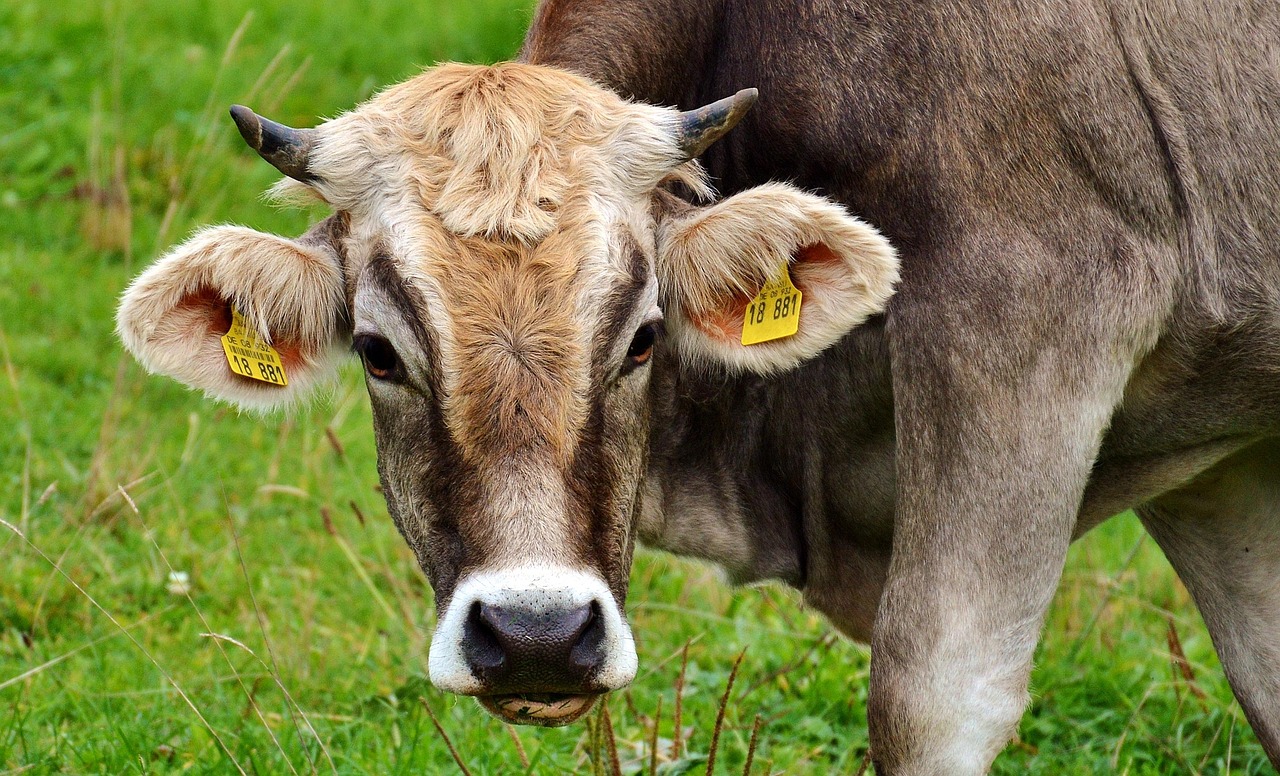
Raising livestock in Madison County for profit is usually a rewarding and positive experience. On occasion something may go wrong, leading to stress and problems. One problem is foot rot in cattle, sheep and goats.
Foot rot is caused by Fusobacterium necrophorum, an environmental bacteria that lives in dirty, muddy spaces. It is present on healthy skin, but a cut or abrasion of the soft tissue between the toes can lead to acute swelling and pain. Very quickly the space between the toes can swell, and the animal becomes very reluctant to move, eat and drink. Dairy animals see a dramatic drop in milk production per day. Breeding bulls will stop all activity—causing dramatic losses in fertility and pregnancy. A small problem in one bull’s foot can be catastrophic to the profitability of a cattle herd.
Deficiencies in zinc, selenium and copper can make a small problem much worse. Wet, persistently muddy spots around bale feeders, waterers etc. can be a haven for the bacteria to dwell. Manure build- up and abrasive surfaces can aggravate the skin between toes and cause a break.
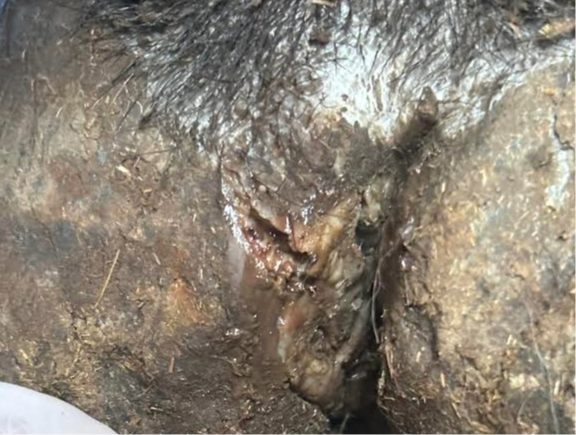
Sudden lameness, swelling between claws, a foul smell or discharge are all hallmarks of the disease.
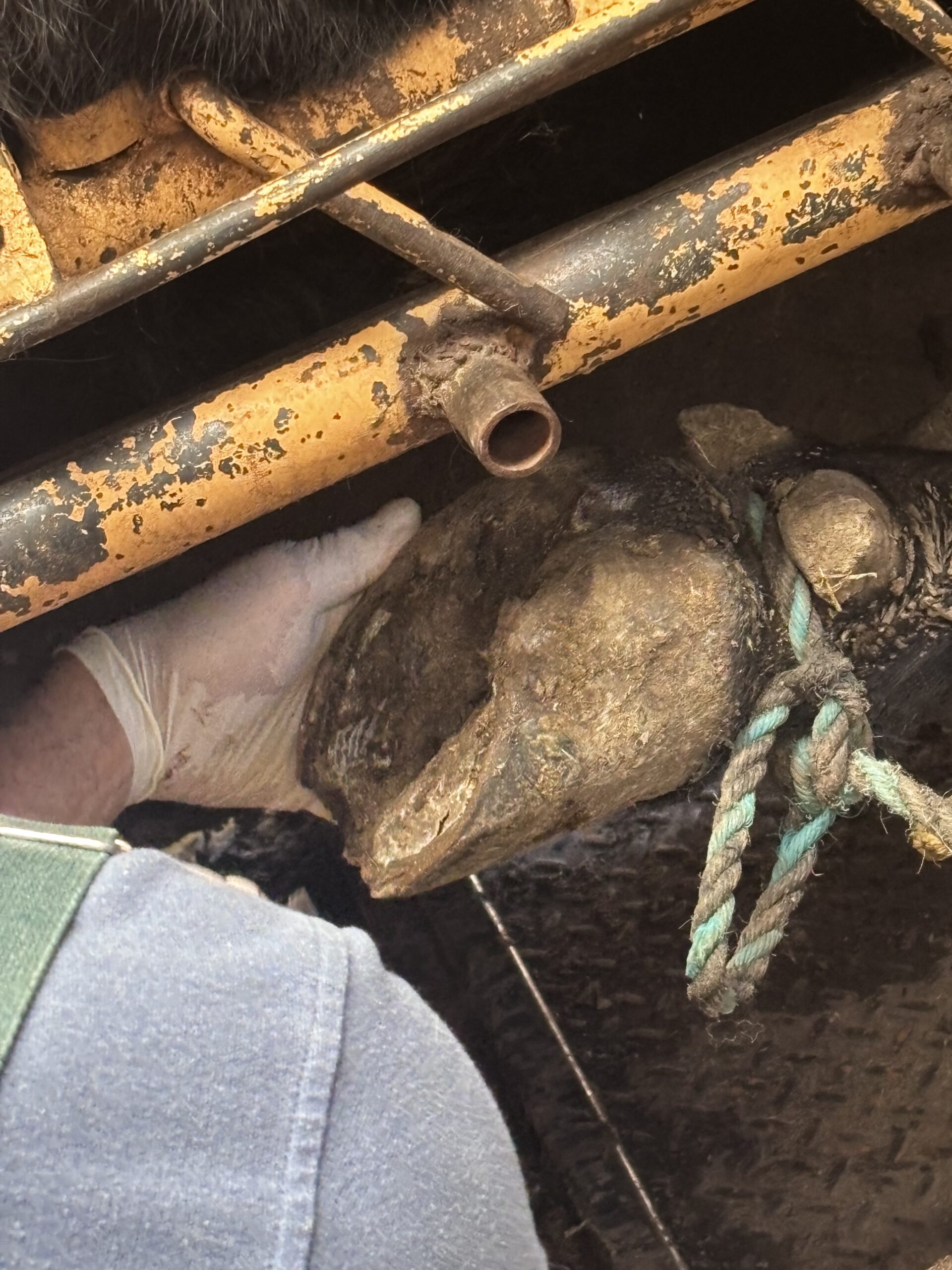
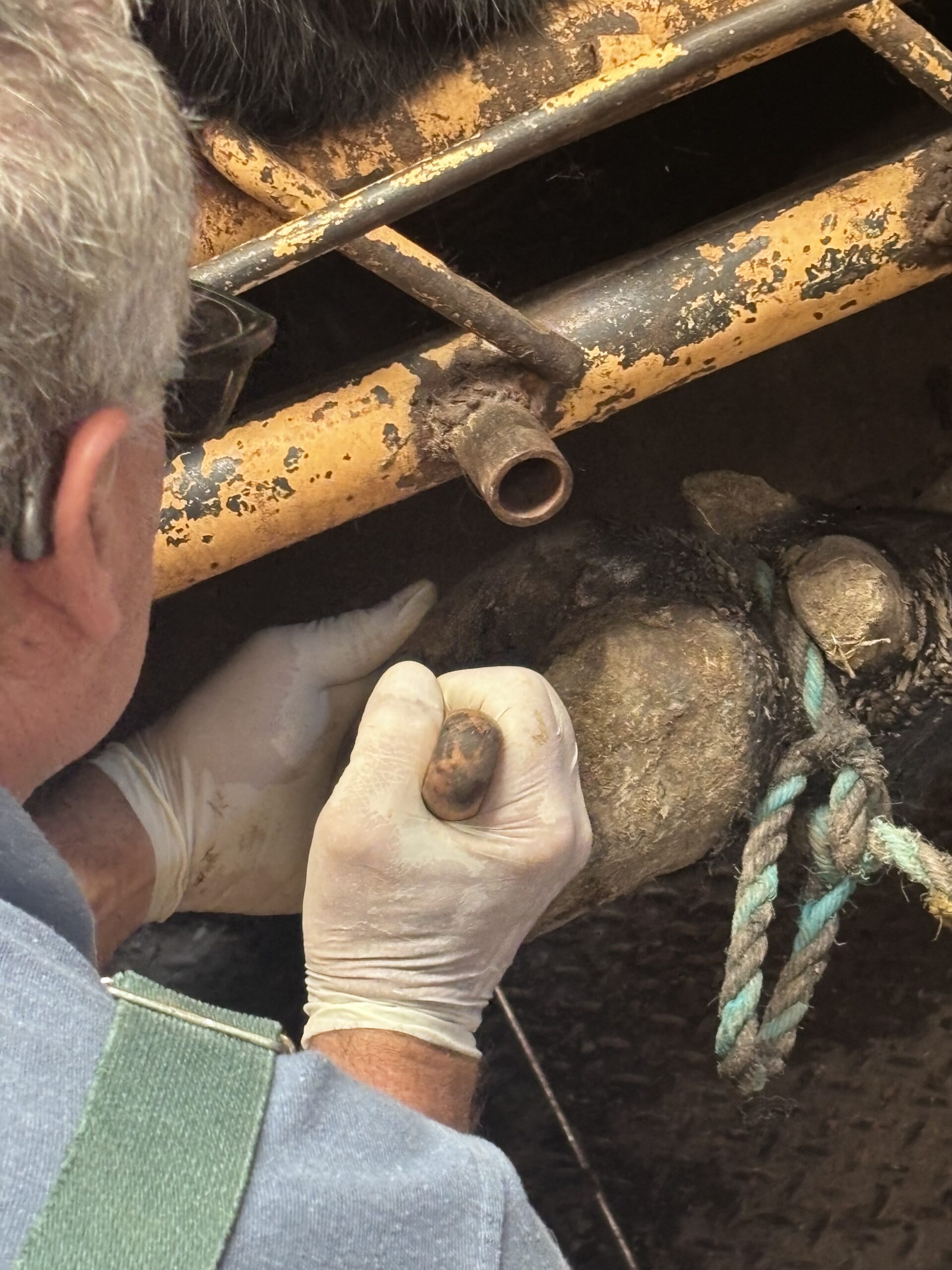
A thorough wash and exam between the toes and of the leg will confirm the diagnosis. Other problems could be associated with a foreign object such as a nail or wire. Over the years, I have removed many shingling nails, spikes, oil filter gaskets , and a lot of electric fence wire wraps. Sprains or strains can also occur during breeding season as one animal mounts another on uneven or rough ground. One toe often is greatly enlarged compared to the other and may be darker red. The evidence is usually pretty dramatic upon inspection—see pictures.
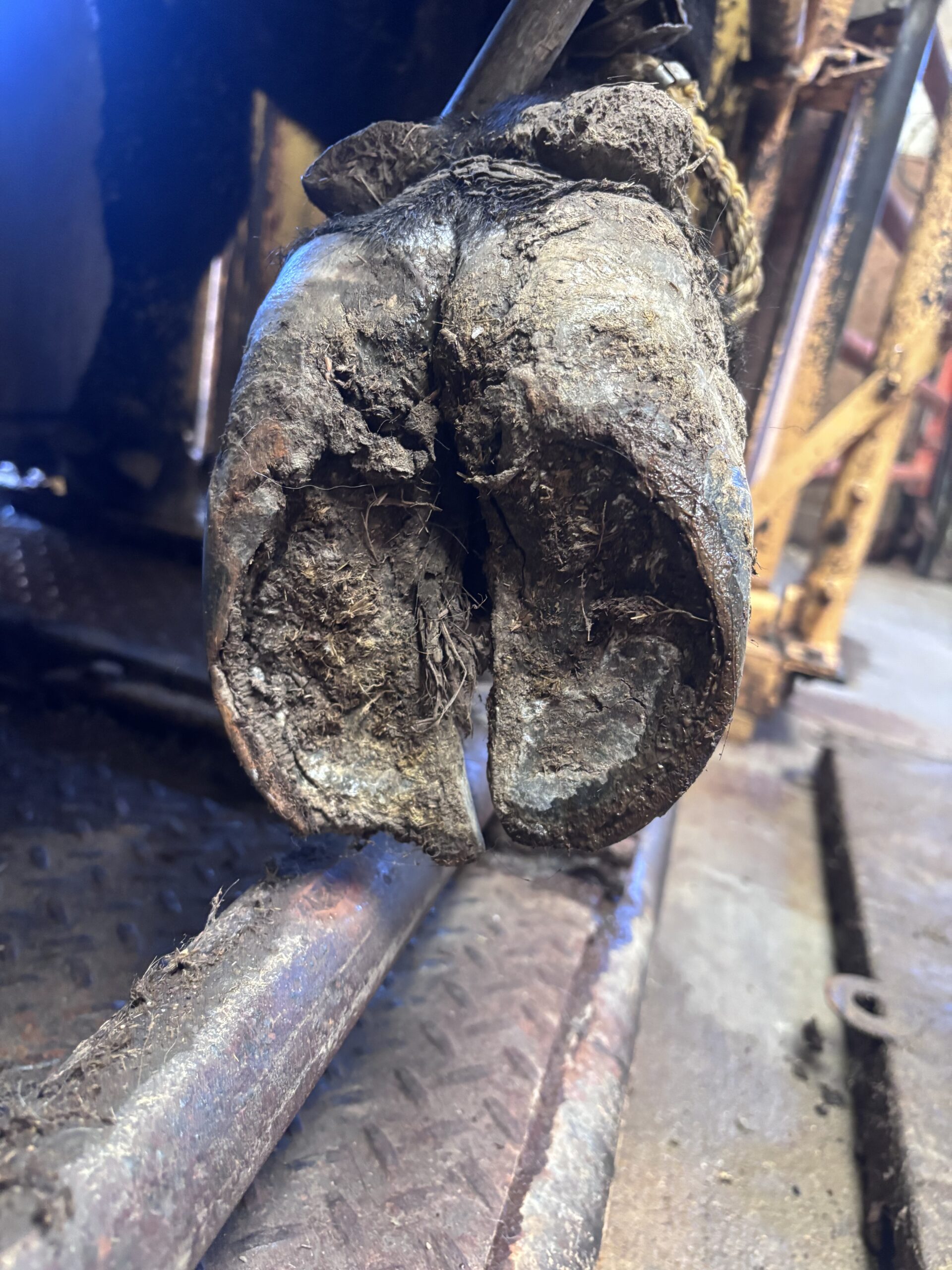
Treatment is usually successful if started early. Clean out the wound, pack with antimicrobial salve, and wrap the toes if possible. Systemic antibiotics via injection or water med are available. Non-steroidal pain meds are available if necessary for mobility. Keep animal in a dry small pen or lot so food, water, and bedding are close. Worse case scenarios of claw amputation have been done for extremely damaged claws.
Prevention deals with managing the environment—eliminate mud bogs, and manure build-ups. Avoid sharp rocks or chunks of metal in the pens. Make sure vitamins and minerals are fed continuously to keep animals healthy. A commercial vaccine is approved for use, but results are mixed, and are by no means a band-aid for a bad environment. Good animal husbandry is the best way to prevent this economically crippling disease.